Panic Is Not a Strategy: Turning Cybersecurity from an Emergency into a Competitive Advantage
Dalla reazione all’allarmismo alla pre-occupazione strategica: come una governance comunicativa rigorosa e la compliance normativa trasformano la gestione dei dati da fattore di rischio a leva di posizionamento
From reacting to alarmism to strategic preparedness: how rigorous communication governance and regulatory compliance transform data management from a risk factor into a positioning lever
Faced with the growing global wave of cyberattacks, ransomware, and data theft, the tech market often tends to polarize communication around alarmism. In this scenario, many organizations risk experiencing cybersecurity and the digital transition with a constant sense of urgency, perceiving them as threats to be contained rather than processes to be governed. Yet in business, panic is never a strategy.
The real challenge today is not telling the story of how a company survived a past IT crisis, but demonstrating how the preventive adoption of secure, compliant infrastructures makes it possible to defuse risk at its root. When technological complexity meets solid governance, security stops being an emergency to manage and becomes a structural guarantee for the market.
Beyond Alarmism: Compliance as a Preventive Shield
The entry into force of the European NIS2 Directive (transposed in Italy via Legislative Decree 138/2024) marked a point of no return, shifting the focus from merely protecting the individual corporate perimeter to securing the entire supply chain. Large organizations rely daily on cloud platforms and external partners to manage sensitive document flows: a vulnerability anywhere along this chain has immediate impacts on the company’s operations and reputation.
For organizations with high legal and informational complexity, the answer does not lie in adopting standardized tools, but in choosing partners capable of guaranteeing native compliance. In this context, the most effective crisis management is invisible: preventive, ongoing work in which processes are adapted to evolving European regulations, relieving the client from the uncertainty of risk.
Translating Technical Complexity into Authority
In a market where many competitors cry emergency to sell defensive solutions, the role of the communications advisor is to flip the paradigm: turning technical complexity into an asset for reassurance and positioning.
This is precisely the level at which Spencer & Lewis operates when supporting high-complexity technology companies, as in the case of Datlas.
Datlas is a partner specializing in the digital transformation of corporate operational processes, integrating proprietary technologies, artificial intelligence, specialized expertise, and industrial capabilities in an end-to-end model. The company designs, manages, and optimizes complex processes across the entire customer lifecycle, aiming to improve operational efficiency, service quality, and the end-customer experience. Through proprietary generative AI solutions such as Document Intelligence, Datlas can automatically understand, extract, classify, and validate information from large volumes of unstructured documents—even across different formats—with a strong focus on information security and regulatory compliance.
Communicating such an intricate business model requires strategic direction capable of making it accessible to corporate decision-makers without ever trivializing its technological value. To this end, Spencer & Lewis focused on building an authoritative digital narrative, centered on LinkedIn and fueled by an integrated editorial ecosystem:
- From regulatory analysis to strategic thought leadership: drawing on technical deep dives from the Datlas Observatory (the corporate blog exploring digital developments, data analysis, and directives such as NIS2), the most complex topics are channeled into the LinkedIn newsletter “Next“. This step turns technical subjects into clear content designed to guide C-level executives and managers.
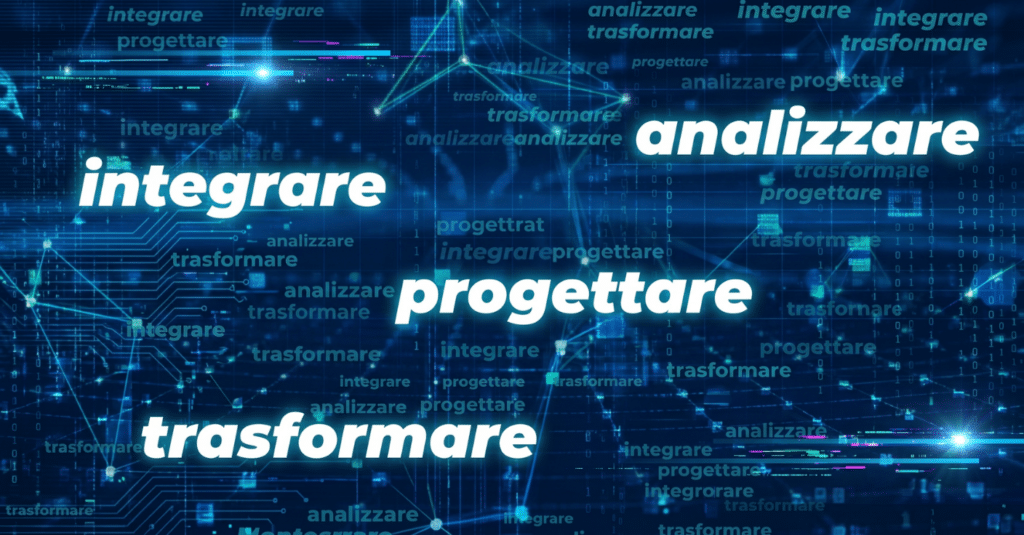
- Four guiding pillars to govern the message: to ensure consistency and brand recognition in its positioning, the editorial strategy is built around four key verbs—integrate, design, analyze, and transform—which directly encapsulate the company’s consultative and operational approach.
- Precision targeting in B2B: the organic narrative is paired with targeted LinkedIn campaigns designed to reach senior profiles in key sectors (Banking, Finance, Insurance), turning technological use cases into tangible proof of reliability.
Protected Data as a Strategic Asset
Knowing how to communicate security also means knowing how to read the macroeconomic landscape in which data moves. This connection was at the heart of the event “Il Valore delle informazioni” (“The Value of Information”), organized by Datlas to explore the geopolitical and economic impacts of data management and cybersecurity. Discussions among experts and players from strategic sectors—including Energy & Utilities, Welfare, Banking & Finance, and Real Estate—highlighted one clear principle: in the era of Artificial Intelligence, refined, structured, and protected data represents a true competitive advantage for organizations.
Governance as an Antidote to Uncertainty
In a market saturated with technological promises, the real reputational lever is not reaction speed, but reliability. Many companies slow down their innovation journeys out of fear of failing to keep pace with evolving cyber threats and privacy regulations.
The role of strategic communication guided by a consultative vision is precisely this: not feeding background noise or fear of the unexpected, but giving voice to expertise. Preparing for a cyberattack does not just mean having a plan for the “day after.” It means choosing partners and architectures built around compliance today. It is this preventive vision that turns vulnerability into resilience, and panic into trust.